Paragon Medical’s Approach to Laser Wire Welding
Laser wire welding is a high-precision technique used to join ultra-fine wires to tiny metal components, without physical contact, excessive heat, or material distortion. In the medical field, particularly in electrophysiology and cardiac therapies, this method is essential for manufacturing electrode ring assemblies that sit at the tip of catheters used for diagnosis and for treatment inside the heart.
At Paragon Medical, we have pioneered the automation of laser wire welding, a transformative technology that ensures high-quality electrode-wire assemblies at unmatched speed, accuracy, and scale.
Through our
Avicenna brand, we have developed a fully automated, closed-loop process that redefines how catheter components are manufactured and integrated. From laser ablation to precision welding and automated inspection, we bring engineering excellence to every step, quietly powering the future of electrophysiology and other advanced interventions.
Why Electrode-Wire Welding Matters in Medical Devices
The demand for multi-electrode catheters in electrophysiology is growing as procedures like cardiac mapping and ablation become more prevalent. These catheters rely on dozens of fine wires, each precisely connected to a tiny metal electrode ring, ensuring that every wire-to-ring weld is consistent, biocompatible, mechanically secure, and electrically sound.
Traditionally, these connections were assembled manually or semi-automatically, leaving room for variability, delays, and quality risks. But with Paragon Medical’s proprietary automation, the process is now hands-free, traceable, and capable of producing tens of thousands of assemblies per day.
Inside the Process: Laser Wire Welding Reimagined
It all begins with ultra-fine conductor wire, spooled and automatically handled by a custom-built carrier system. Before being attached, each wire undergoes laser ablation to remove its insulating layer (often colored polymer). This exposes the bare conductor without damaging the core, ensuring optimal weld conditions.
Electrode rings, used as mapping or treatment points within the heart, are then picked from a tray using vision-guided robotics. The system locates and positions each ring with micrometer accuracy, regardless of orientation. Once the ring is in place, the pre-ablated wire is inserted, and a high-precision laser weld secures the connection.
From here, an integrated inspection module captures high-resolution images of the weld, determining pass/fail outcomes. Good parts are dropped into a collection bin, while statistically selected samples are redirected for additional electrical testing, ensuring every batch meets stringent reliability criteria. Rejected parts are isolated automatically, preventing defective assemblies from reaching downstream processes.
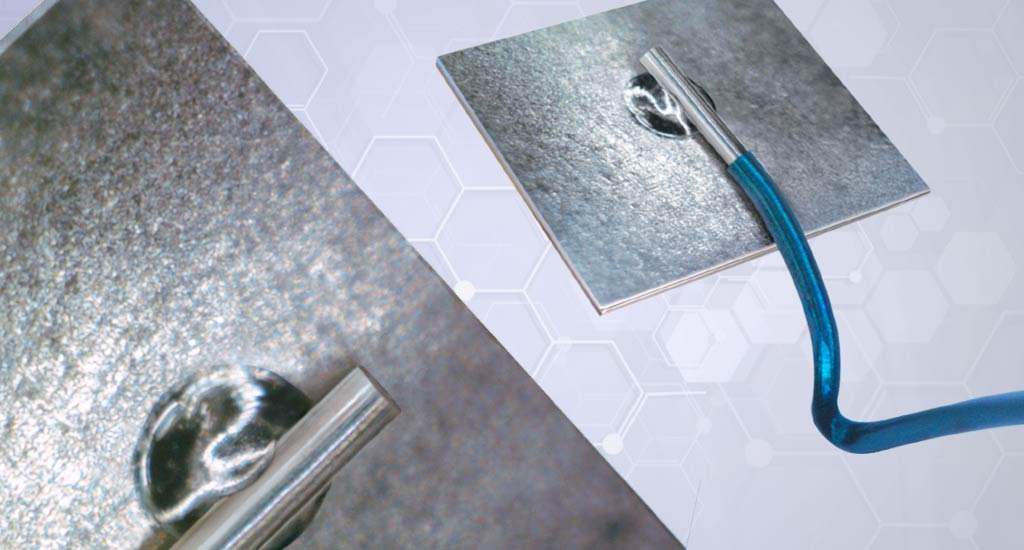 Precision laser welding and termination
From Weld to Catheter: A Seamless Integration
Each successfully welded electrode-wire assembly is not the end product, it’s a foundational building block. These assemblies are routed into polymer splines or catheter shafts, where individual wires are identified using color-coding and precise lengths. The result is a complete catheter subassembly ready for further integration, capable of capturing electrical signals from the heart or delivering energy for ablation therapy.
With such tight tolerances and performance requirements, automation isn't just a convenience, it’s a necessity. Paragon Medical’s manufacturing cells have evolved to increase throughput from 900 parts/hour in early versions to over 4,200 parts/hour in the latest systems. And all this happens with minimal human intervention, reducing variability and cost while boosting scalability.
What Sets Paragon Medical Apart
While several contract manufacturers offer laser welding, Paragon Medical stands out as the global pioneer in automating the entire process, from wire preparation to welding, from inspection to integration. Our Avicenna facility in Montevideo, Minnesota, houses a fleet of proprietary machines, each representing years of development in fine wire ablation, optical control, laser energy modulation, and inline quality assurance.
But it’s not just about machines. It’s about understanding what medical OEMs need, from reliability and repeatability to fast turnaround and regulatory compliance. That’s why we don’t just weld; we design for manufacturability, ensuring every part of the process aligns with ISO 13485 standards, FDA expectations, and your clinical goals.
End-to-End Capabilities for Complex Catheters
Our electrode assemblies are only the beginning. With vertical integration across
TSE (Technical Services for Electronics),
Avicenna, and
Laserage, all brands of Paragon Medical, we offer complete solutions including:
- Precision splines and catheter shafts
- Custom cable assemblies and molded interconnects
- Fine wire twisting, serving, and potting
- Advanced molding (including LSR and low-pressure options)
- Electrical and functional testing of finished assemblies
Whether you need raw electrode rings with welded leads, complete splines with routing, or final catheter assemblies, we can manufacture and scale according to your project needs, supporting both development-stage prototypes and high-volume production for commercial launches.
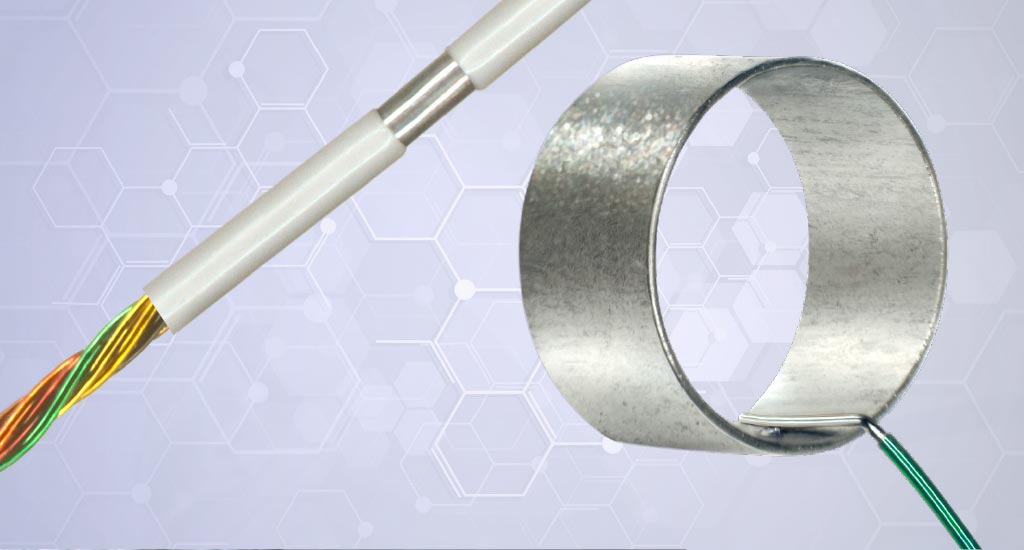 Fine wire ring welding for catheter electrode
A Trusted Partner in Electrophysiology and Beyond
Our automation doesn’t just produce better parts; it enables clinical outcomes. By ensuring reliable signal transmission and electrode performance, we support advanced cardiac procedures that improve lives and enhance patient outcomes. That’s why top-tier medical OEMs trust us for:
As demand for minimally invasive diagnostics and therapies grows, so does the need for scalable, high-quality, intelligent manufacturing. With Paragon Medical, you’re choosing a partner that not only understands these challenges but has already engineered the solution.